[TRUSTED TO TRANSFORM | CASE STUDY]

How Brioche Pasquier Transformed its Factories

Brioche_Pasquier

Customer Snapshot:

  • Company: Brioche Pasquier

  • Location: France

  • Industry: Manufacturing

  • Software Solutions: AutoCAD, Autodesk Inventor, Autodesk Vault, Autodesk Navisworks, Autodesk ReCap

  • ARKANCE Services: Implementation, Consulting and Training
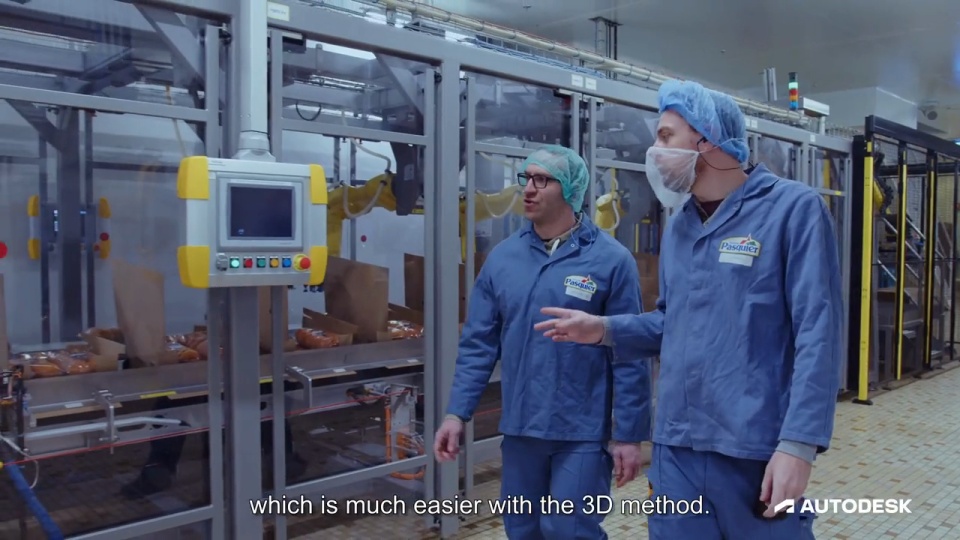
Brioche Pasquier is a family-owned French bakery founded in the 1970s. Today, the Group generates approximately €900 million in revenue and employs 3,500 people across 17 factories, 14 of which are in France.

The company designs and operates its own industrial processes, combining artisanal know-how with large-scale production while preserving the craftsmanship at the heart of its brand.

The Challenge:  Scaling Craftsmanship Across 17 Factories 

As Brioche Pasquier expanded, the complexity of designing machines, production lines, and buildings increased. Each factory has its own area of expertise — from dough production to baking to packaging — and design offices were decentralized to reflect that specialization.

However, this created new challenges:

  • Coordinating mechanical, building, and process design across locations
  • Detecting errors early in the preliminary study phase
  • Ensuring consistency in machine and line design
  • Sharing expertise efficiently between sites

Historically, much of the work was carried out in 2D using tools such as AutoCAD. As projects grew in complexity, a more integrated and collaborative approach became necessary.

The Stakes:  Designing the Factory Before It Exists 

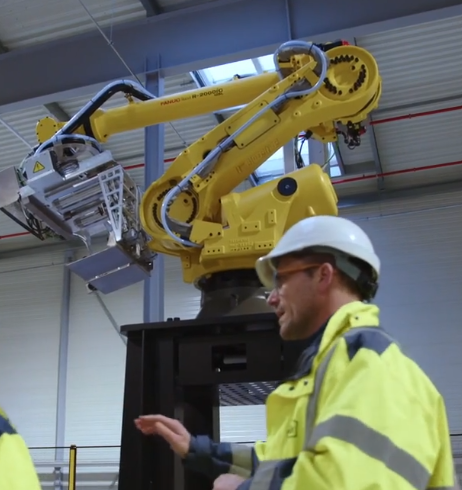
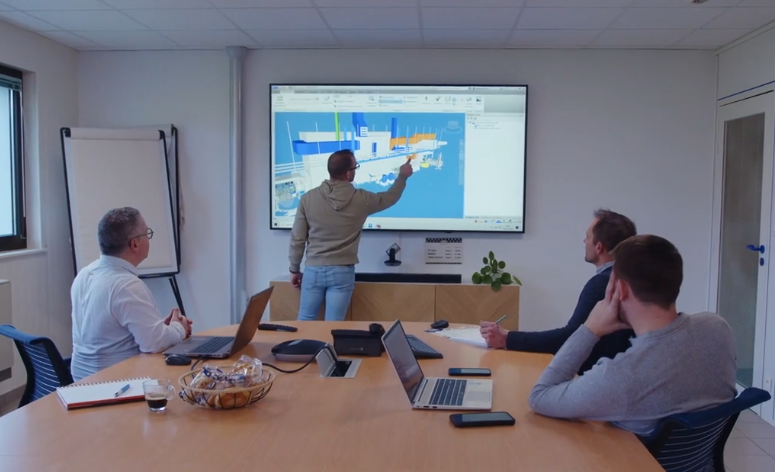
For Brioche Pasquier, BIM represents the virtual 3D representation of its production lines and buildings. Mechanical data and building data are brought together into a single environment to simulate and validate the industrial setup before implementation.

Detecting an error at the end of a project can be costly and disruptive. The objective was to identify issues during the preliminary study phase - when adjustments are faster and more efficient - rather than during physical implementation.

At the same time, the Group wanted to ensure that its industrial strategy could support international growth and knowledge transfer between teams in France and abroad.

Choosing a Partner: Supporting the Transition to 3D 

The transition from 2D to 3D design marked a significant shift in the way teams worked. Brioche Pasquier partnered with ARKANCE to support the implementation of Autodesk solutions and to facilitate training and day-to-day support for designers.

The focus was not only on deploying software, but on enabling teams to design according to shared standards and to work toward a fully defined virtual factory.

Brioche pasquier 5

The Approach:  Integrating Mechanical and Building Data 

The shift began progressively - moving from AutoCAD to Autodesk Inventor for 3D modeling. Today, Brioche Pasquier uses:

  • Inventor for machine and part design
  • Vault and Vault Viewer for storing, managing, and accessing 2D and 3D plans
  • Navisworks to integrate mechanical models with building data
  • ReCap point clouds to support accurate layout and modification projects

All 3D data is centralized and hosted internally, creating a structured digital environment for design, maintenance, and modification projects.

Digital tools are used not only for new machine design but also to:

  • Improve and redesign machine components
  • Check plans before implementation
  • Present models clearly to production teams
  • Support maintenance teams in understanding assemblies and replacing parts
  • Train technical staff more effectively using 3D visualization

The Outcomes:  Earlier Detection, Better Collaboration 

The transition to 3D design has changed the way Brioche Pasquier works.

By capitalizing on centralized 3D data, the company can:

Error Detection Icon

Earlier Error Detection

Detect design errors earlier in the project lifecycle, reducing costly late-stage changes.
Collaborate Icon

Improved Coordination

Improve coordination between decentralized design offices, aligning expertise across factories.
Production Line Icon

Virtual Line Visualization

Visualize complete production lines before physical installation, validating layouts in advance.
Effective Training Icon

More Effective Training

Facilitate training through clearer 3D representation, making complex assemblies easier to understand.
Maintenance Support

Smarter Maintenance Support

Support maintenance teams with accessible mechanical plans, improving preparation and part replacement.
Brioche pasquier 6

The Impact:  Preserving Craftsmanship at Industrial Scale 

Brioche Pasquier’s industrial vision always begins with craftsmanship - translating artisanal movements into scalable industrial processes.

Digitalization supports this ambition by allowing French expertise to connect with international teams, enabling knowledge transfer across sites and supporting future growth.

By combining traditional know-how with digital innovation, Brioche Pasquier continues to shape the factory of the future while preserving the quality and identity that define the Group.
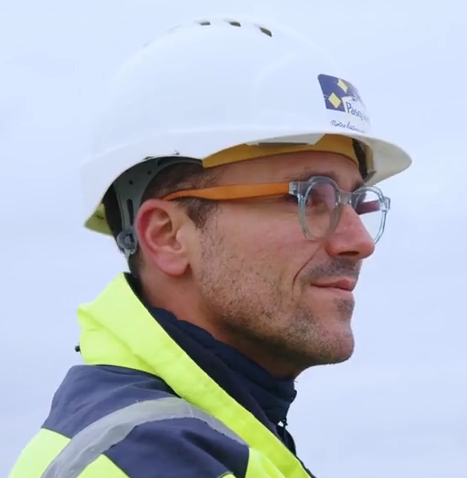
Sébastien Chupin - Chief Technical Officer

 The challenges will be to detect errors during the preliminary study so that we can make changes directly at that stage, rather than realizing the error at the end, which costs the company much more. 

Sébastien Chupin - Chief Technical Officer
Brioche Pasquier Group

Why It Worked

  • Progressive transition from 2D to integrated 3D workflows
  • Centralization of mechanical and building data
  • Structured training and day-to-day support for designers
  • Alignment between industrial strategy and digital implementation


Transformation Takes a Team