Electrical BIM Essentials
Revit Electrical Systems & Documentation
From Electrical Layouts to Coordinated BIM Delivery
Electrical BIM Essentials is a practical, hands-on training program focused on electrical system modeling, circuiting, coordination, and documentation using Autodesk Revit, helping engineers, BIM professionals, and MEP teams transition from traditional drafting workflows to intelligent BIM-based electrical project delivery using real-world industry practices.
WHY ELECTRICAL BIM ESSENTIALS?
Most electrical coordination issues arise due to disconnected drafting and documentation workflows.
Electrical BIM Essentials helps bridge this gap by combining:
- Real-world electrical BIM workflows
- Coordinated modeling and documentation practices
- Intelligent circuiting and panel management
- BIM-based project coordination strategies
This is not just software training — it’s a practical BIM workflow program designed for real project execution.
Program Overview
Day 1: Foundations of Façade Design + Revit Tools
- Importance of façade design (aesthetic, environmental & structural factors)
- Revit UI walkthrough – façade-focused tools
- Levels, grids, and reference planes
- Intro to basic modelling: walls, floors
- Curtain Wall Basics: system types, grid setup
📂 Includes presentation slides and practice files
Day 2: Conceptual Massing & Façade Forms
- In-place vs. conceptual massing
- Creating and editing mass families
- Surface division + placing pattern-based panels
- Visualization: sun path, materials, shadows
- Project Practice: Hungarian Autoklub HQ façade concept modelling
Day 3: Custom Curtain Walls – From Basic to Advanced
- Advanced curtain wall grids, mullions & panels
- Creating custom panels and mullion profiles
- Nested families: operable panels, louvers, fins
- Add smart parameters (height, width, material)
- Apply it: Begin modelling custom façade for Hungarian Autoklub HQ
Day 4: Parametric Façade Design with Dynamo
- Getting started with Dynamo
- Creating parametric forms & dynamic panels
- Extract geometry from Revit
- Generate surface patterns like Voronoi, random grids 💡 Boost your computational design skills!
Day 5: Advanced Façade Techniques
- Dive into Adaptive Components
- Introduction to Kinetic Façades
- Recreate famous kinetic façades:
- KAFD Metro Station
- Museo Soumaya
- The Broad Museum
🎥 Live modelling + walkthroughs
What Makes This Program Different
Electrical BIM Essentials is focused on practical electrical BIM workflows used in real project environments. The program covers real-world coordination and documentation processes while introducing intelligent circuiting and panel systems within Revit workflows.
Unlike conventional software-only training, this program combines modeling, documentation, and coordination into a structured BIM delivery approach aligned with industry standards. It is designed to support project teams, BIM professionals, and production environments working on coordinated electrical project delivery.
Want Detailed Course Information
Who Should Attend
This program is ideal for:
- Electrical Engineers
- BIM Modelers and Coordinators
- MEP Professionals
- Architects involved in MEP coordination
- Students entering BIM workflows
- Design & coordination teams adopting Revit Electrical
Basic familiarity with Revit is recommended.
What You Will Learn
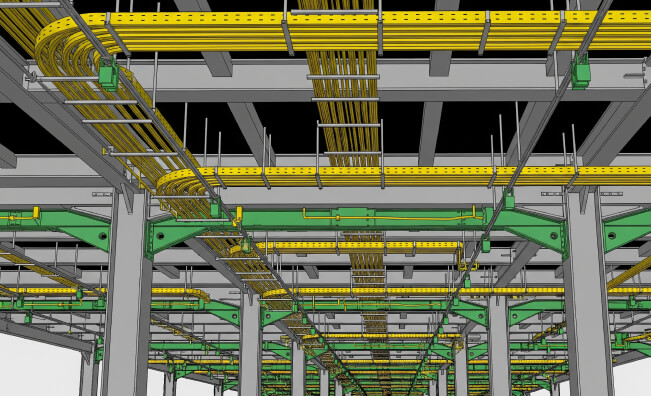
By the end of Electrical BIM Essentials, participants will be able to set up coordinated electrical BIM projects, create lighting and power layouts inside Revit, and develop intelligent electrical circuits and panel systems. Participants will also learn how to generate schedules, annotations, and documentation sheets, perform basic electrical load calculations, coordinate electrical systems with architectural models, and deliver BIM-ready electrical project outputs.
Curriculum Highlights
A) Electrical BIM Setup & Coordination
- Project setup and template workflows
- Electrical settings and view organization
- Linking architectural models
- Copy/Monitor workflows
- BIM coordination fundamentals
Outcome: Strong foundation for coordinated electrical BIM workflows.
B) Lighting & Power System Design
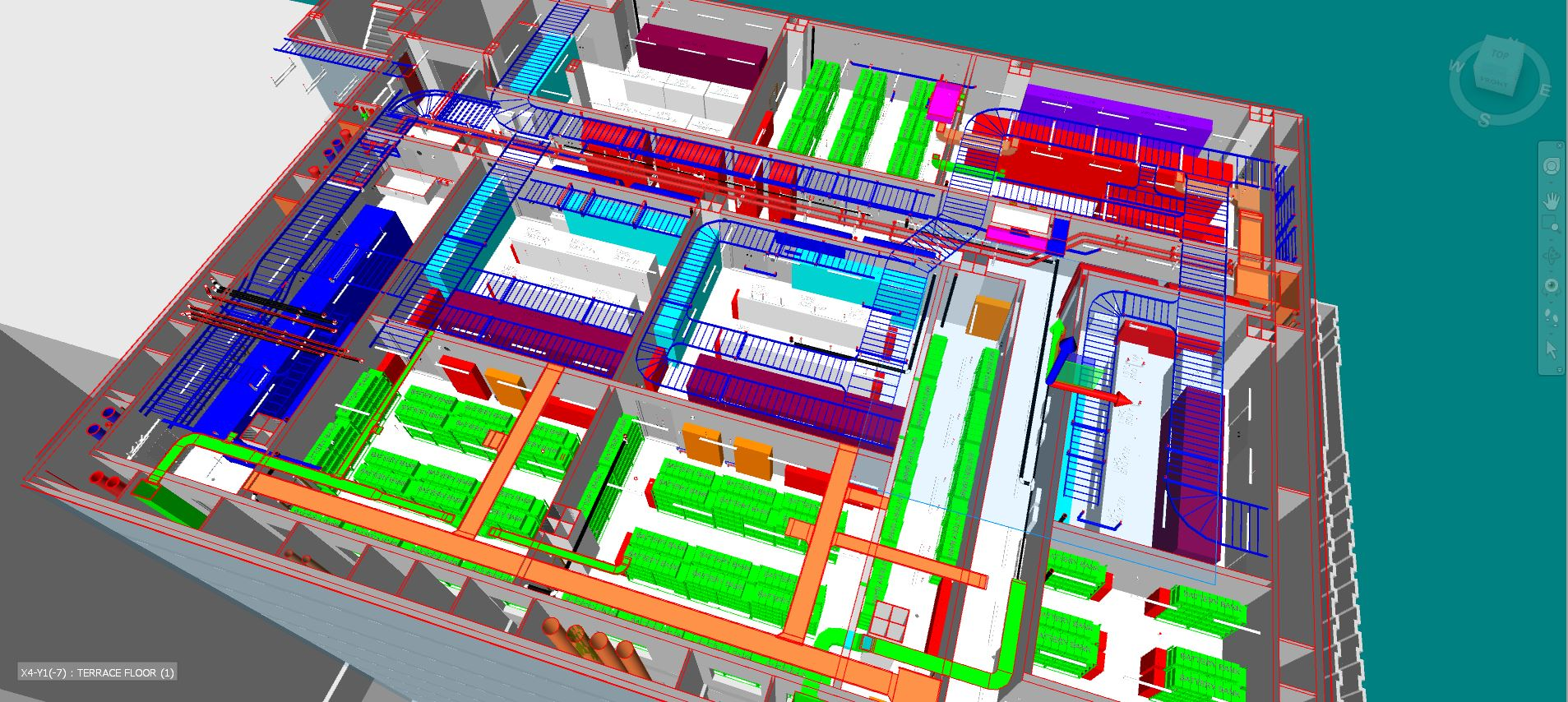
- Lighting fixture placement
- Switch systems and wiring logic
- Power outlets and equipment connections
- Circuit creation workflows
- System organization and management
Outcome: Efficient creation of intelligent lighting and power systems.
C) Circuiting & Panel Connections
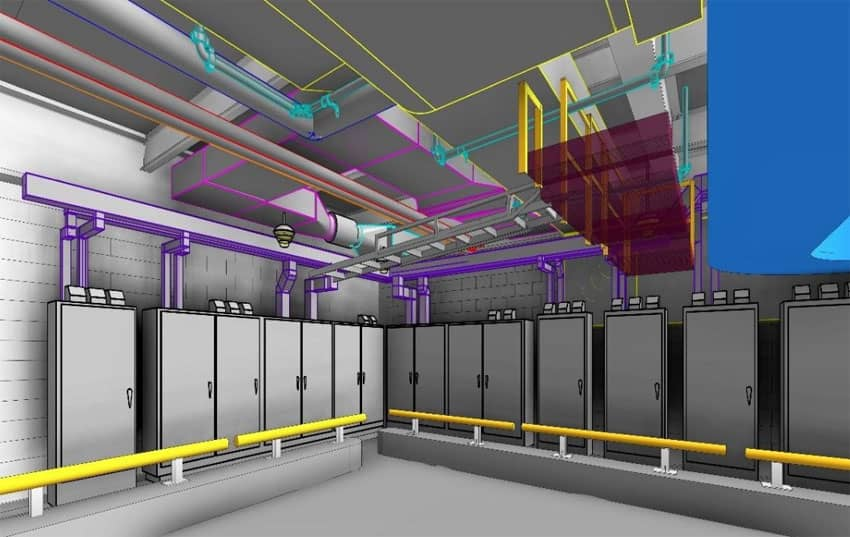
- Electrical circuit management
- Assigning circuits to panels
- Panel configuration basics
- Device tagging and annotation workflows
- Panel schedule generation
Outcome: Complete understanding of panel and circuit coordination.
D) Load Calculations & Documentation
- Electrical load calculations
- Power factor and load balancing
- Voltage drop concepts
- Documentation views and layouts
- Annotation and sheet creation workflows
Outcome: Accurate documentation and BIM-ready deliverables.

E) Final Simulation & QA
- Complete electrical system development
- Coordination review workflows
- QA/QC checks for BIM models
- Final documentation review and output generation
Outcome: Confidence in handling complete electrical BIM project workflows.
Course Trainers

Patrick Jones
Patrick Jones
What’s Included?
Deliverables You Take Back
Program Outcome & Corporate Training
After completing Electrical BIM Essentials, participants will be able to confidently model, coordinate, and document electrical systems in Revit using structured BIM workflows aligned with industry project standards.
The program can also be customized for organizations and project teams looking to align training with specific workflows, coordination standards, and project delivery requirements.
Ready to Build Smarter Electrical BIM Workflows?
Contact us to enroll, schedule a corporate batch, or customize this program for your team.
ELECTRICAL BIM ESSENTIALS
Design accurately. Coordinate efficiently. Deliver smarter BIM models.